January 2026
By: Josh Walejewski
Read Time: 1 Minute
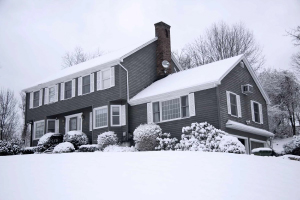
Have you ever walked through your neighborhood a week or so after a good snowfall and noticed something peculiar about your roof compared to your neighbors’? Some roofs are still completely covered in snow, while others are totally bare. In today’s blog, we’ll show you a simple trick to spot the subtle clues your roof might be giving you.
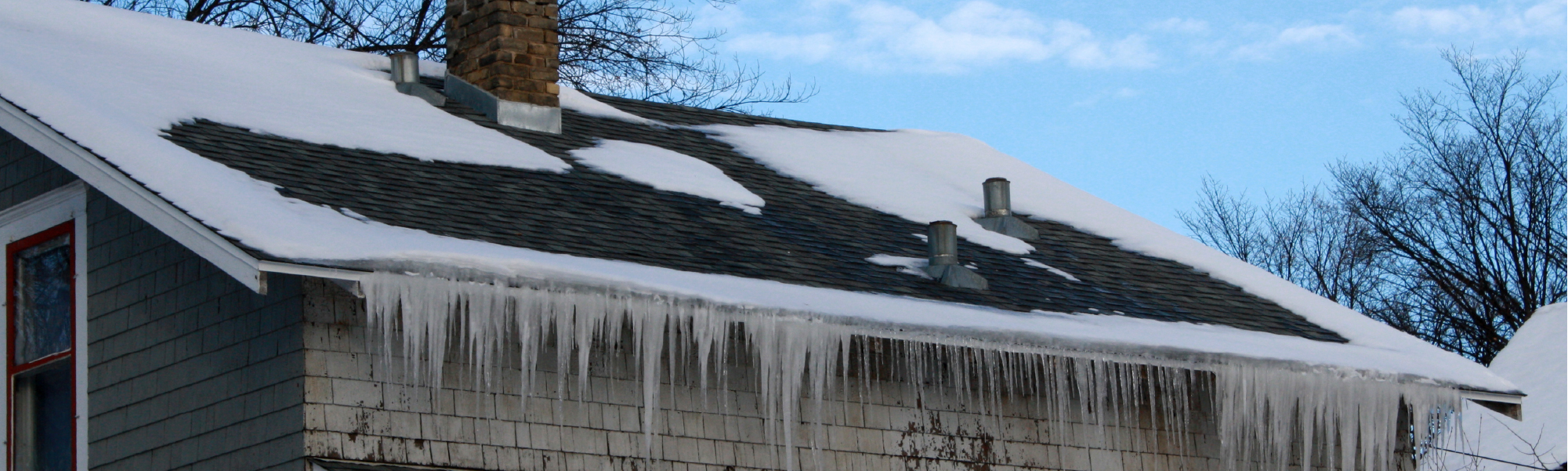
A few days after a fresh snowfall, take a quick look at your roof. No ladder. No tools. Just eyeballs. Snow cover (or lack thereof) on your roof can act like “diagnostic chalk” for your home. If heat is sneaking into the attic, it can warm the roof deck and melt snow from underneath. Those melt patterns can hint at where your home is losing comfort (and money).
Look at the North Side of the Roof
Before you blame your insulation (or your spouse for cranking the thermostat), remember: sunshine, wind, and above-freezing temps can melt snow even if your home is well insulated. A smart trick is to check the shadier side of the house (north-facing here in Wisconsin) because it’s less affected by sun-driven melting.
What You Might See (and what it can mean)
- Even snow cover and minor melting: Often a good sign your attic is staying colder, which usually means less heat is escaping upward.
- Patchy “hot spots” or weird shapes: Common culprits include air leaks from the living space, or thin/spots or gaps in your attic insulation.
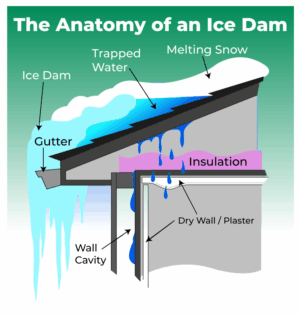
- Big icicles, ice at the eaves, and a bare roof: This can be a strong sign of attic heat loss. Here’s what happens: heat melts snow, the water runs downward, then refreezes near the colder roof edges. Over time, that can form ice dams and raise the risk of water getting where it doesn’t belong.
Fun fact: Snow is a Temporary Insulation Blanket
There’s a good reason people say “a blanket of snow”, and why Inuit cultures famously made temporary shelters (igloos) out of snow during far hunting expeditions. Snow traps a huge amount of air, and trapped air slows heat transfer. That’s the “igloo effect.” Same principle for your home, just on a different scale.
While snow’s insulating value changes depending on how fluffy or dense it is, a common rule of thumb is roughly R-1 per inch of snow. Twelve inches of snow could add roughly R-12 on top of your roof. For context, a typical 2” x 4” insulated exterior wall of a residential home is often around R-12 to R-15.
Where Your Heating System Fits In
If your roof’s snow patterns suggest your home is losing heat faster than you’d like, your furnace has to run longer and more often to keep you comfortable. Pair that with an older, lower-efficiency furnace and you get the double hit: heat loss + inefficient heat production. The result is typically higher energy bills and added wear and tear from longer run times.
A high-efficiency furnace can help soften that blow because it turns more of what you pay for into usable heat, especially during long winter run cycles.
Not ready for an upgrade? A furnace tune-up is a smart alternative. It’s one of the easiest ways to confirm your system is running as efficiently as it can, instead of burning extra gas because something simple is off. It won’t magically turn an older unit into a brand new high-efficiency model, but it can reduce waste by correcting the small issues that quietly chip away at performance and comfort over time.
Closing Thoughts
Next time we get a fresh snowfall, take a quick “roof read” from the ground and see what patterns show up—especially on the north side. Even snow is usually a good sign. Patchy melt, big icicles, or a bare roof can mean your home is working harder than it needs to. If winter comfort has been a struggle or your bills keep climbing, the experts at Kettle Moraine Heating & Air Conditioning can help.
Read more blog posts from Kettle Moraine Heating & AC.
About the Author
Josh Walejewski
Josh is a business professional who has worked in the HVAC industry since 2017. With a Bachelor of Applied Arts and Sciences Degree (B.A.A.S) in marketing and sustainable business management from the University of Wisconsin, he has a passion for all aspects of HVAC, business, marketing, and environmental stewardship.